Understandingthe challenge
Industry
- Insurtech
- Automotive
Platform
- Mobile (iOS & Android)
Services
- User research
- UX design
- UI design
- Motion design
- Mobile development
- QA
ThingCo is an Insurtech founded by people who helped invent telematics insurance. Their idea with Theo was to take the “black box” that scores your driving out of sight and turn it into something a driver would actually want in the car: a compact 4G device with a dashcam, sensors and a helpful voice, paired with an app that makes the data useful.
For that to work, the app could not be an afterthought. It had to pair tightly with the device, present driving data clearly in real time, and reward safer driving in a way that felt encouraging rather than punitive. As a start-up, ThingCo needed a design and technology partner to build it well and quickly, so they could get on with growing the business.
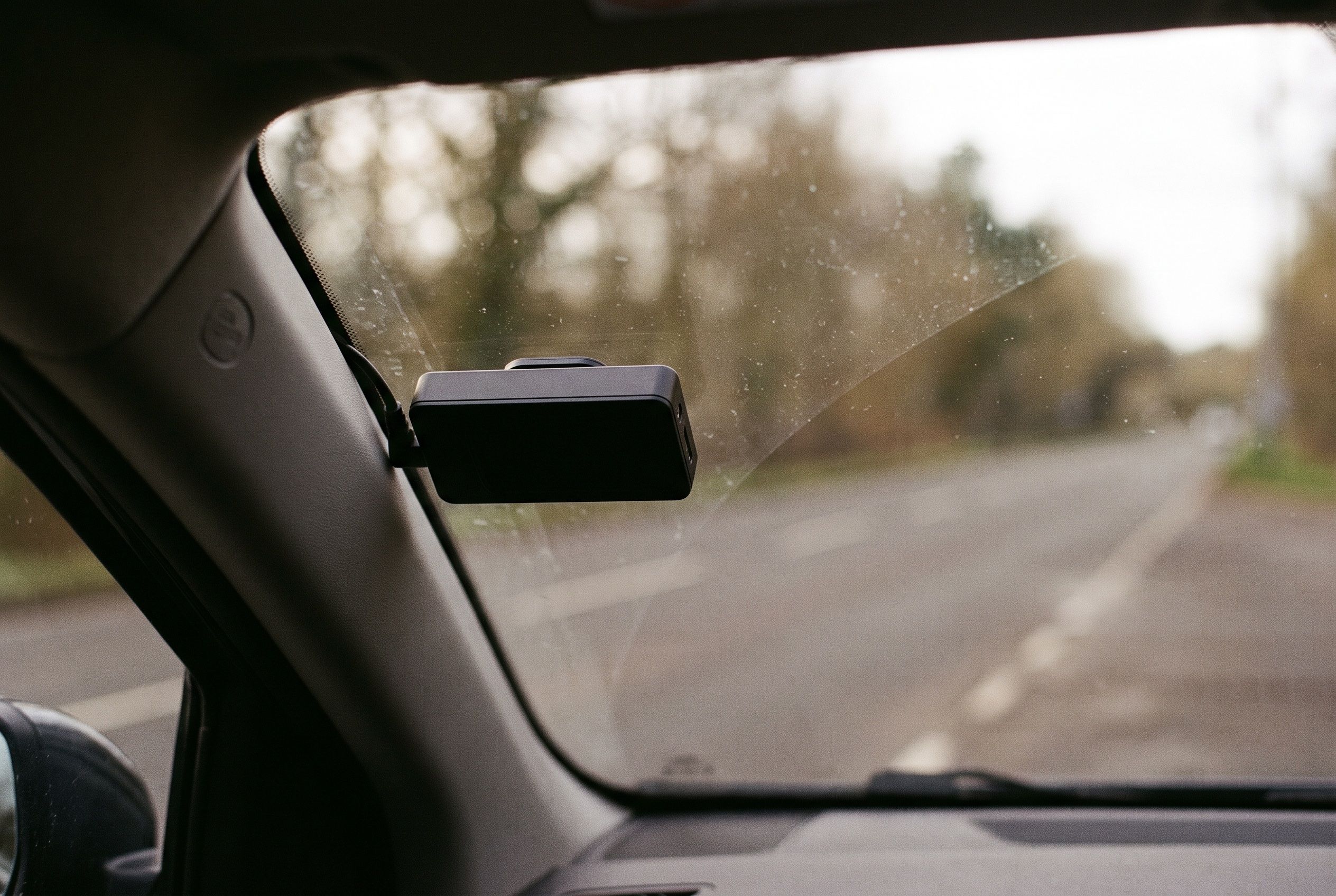
The app was built with the hardware, not bolted on afterwards: the device and the app are one product.
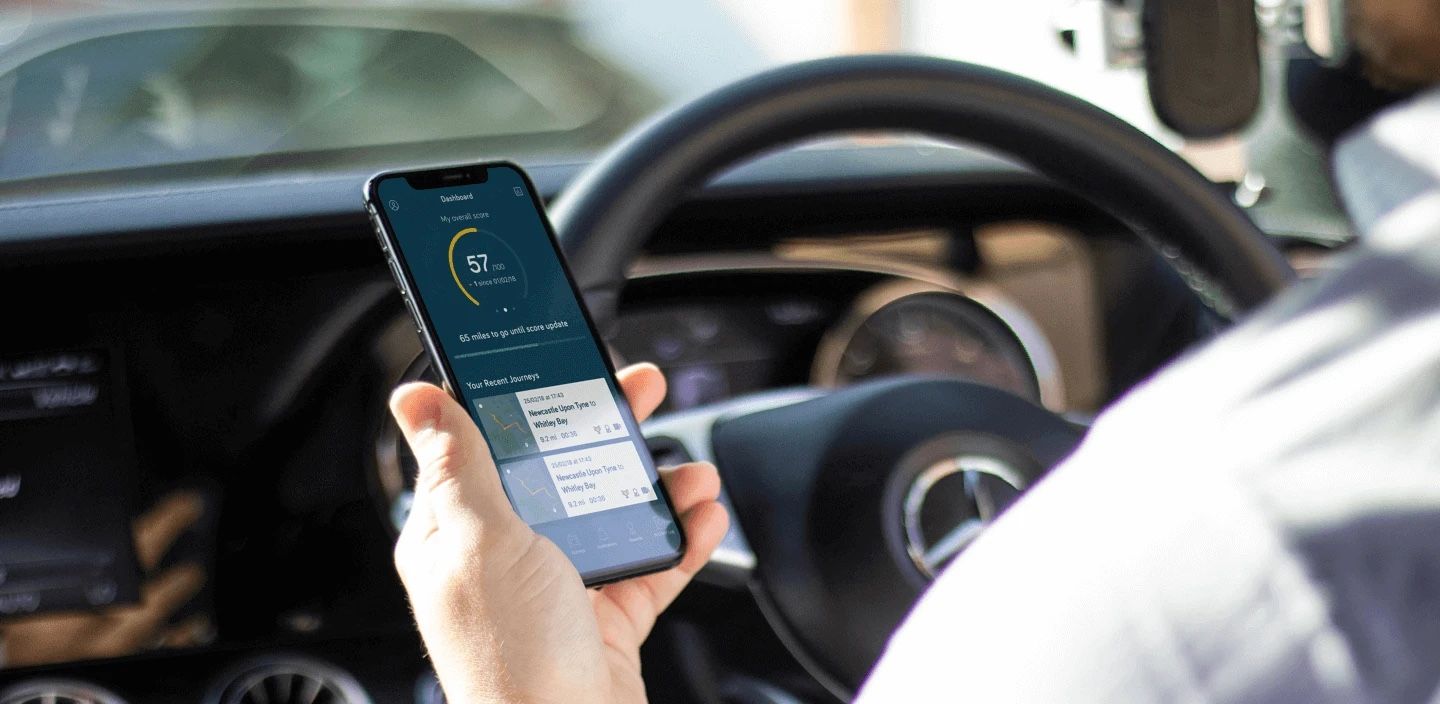
We ran user research into what drivers actually respond to, mapped the journeys and defined a tight MVP, then designed and built the app around ThingCo’s in-car device. It pairs with the device and turns its live data into something a driver can act on: journeys, a clear driving score, rewards for safer driving, and automatic accident capture when it matters most.
The scoring was the part we cared most about getting right. Rather than a single number that feels like a telling-off, we broke the score down so a driver can see exactly what to do differently on the next journey, and paired it with rewards so the app reinforces good driving instead of nagging. We built it as one cross-platform React Native app for iOS and Android, on AWS, with Mapbox for mapping, and brought the interface to life with motion design so it felt like a finished consumer product, not a utility.
A start-up's product team, for the length of the build
For a start-up, the value was not just the app. It was having a senior design and engineering team they could lean on so they could focus on building the business, and getting to a market-ready product fast without hiring a whole team to do it.
Research before features
We started with how drivers actually behave and what would change it, then defined an MVP around that rather than a wish list.
Built around the device
The app pairs with the in-car Theo hardware and ingests its data in real time, so the two feel like one product.
One app, both platforms
A single cross-platform React Native build for iOS and Android, on AWS, with motion design to make it feel finished.
End to end, and quick
User flows through to bug testing, plus marketing materials for pitches and app-store launch, with the MVP delivered in six months.
As a start-up, having a design and technology partner like Komodo has allowed us to focus on rapidly growing the business. They’ve integrated seamlessly to help propel our products forward in a sector traditionally slow to invest in user experience and digital.
Theo shipped, and ThingCo has gone on to grow and attract further investment. The thing we are proudest of is smaller and more specific: a driving score that helps rather than scolds, and a device and app that behave like one product. That is what happens when the software is designed with the hardware from the start, and it is the same instinct we now bring to building with AI.