Understandingthe challenge
Industry
- Public sector
- Policing
Platform
- Mobile (phone & tablet)
Services
- UX design
- UI design
- Mobile development
- QA & testing
- Handover & training
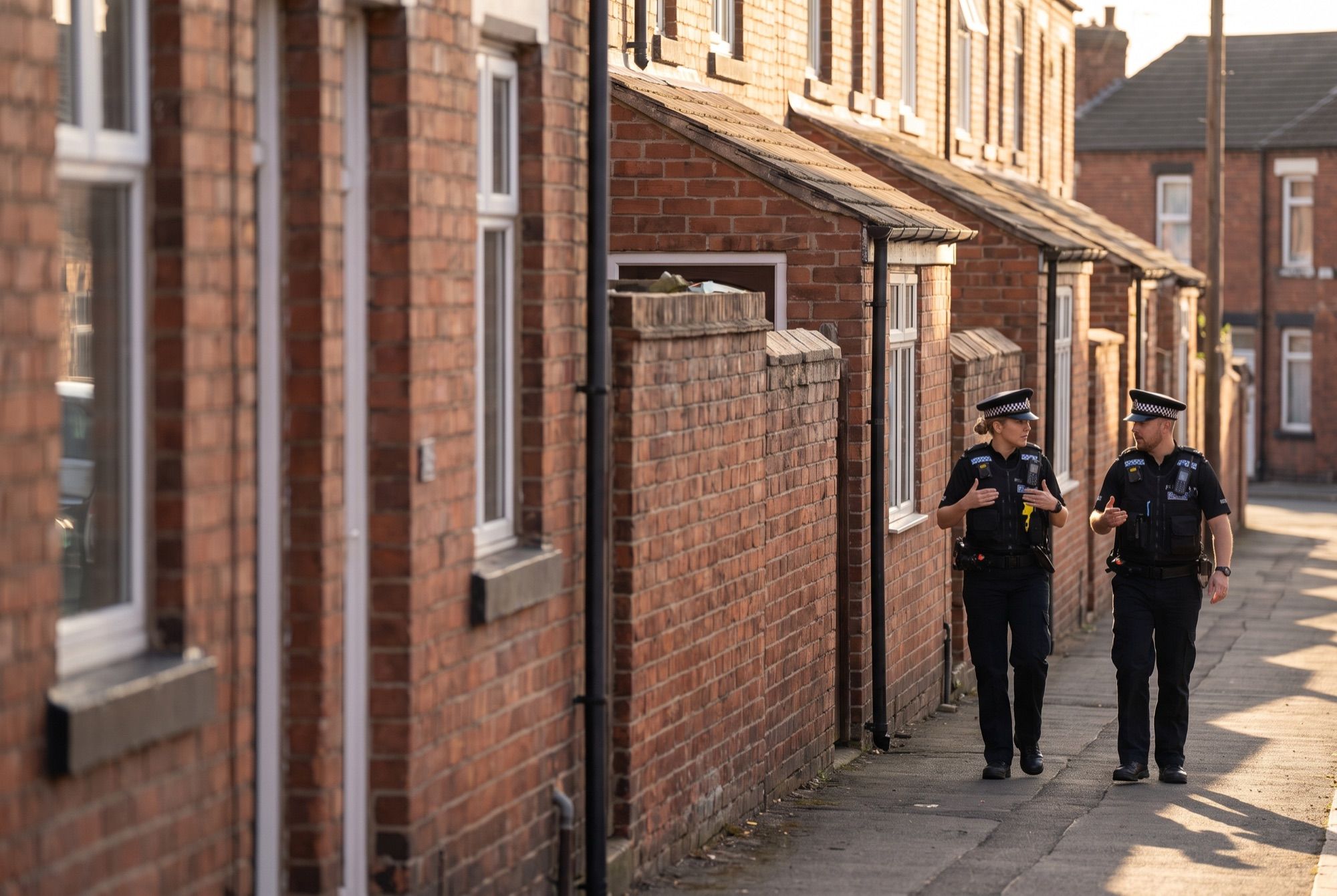
Northumbria Police, one of the largest and consistently top-performing forces in the country, ran on an operational system built and refined in-house over three decades. It was rich in data, but you reached it from a desktop PC on the station network, through a character-based interface that predated the smartphone.
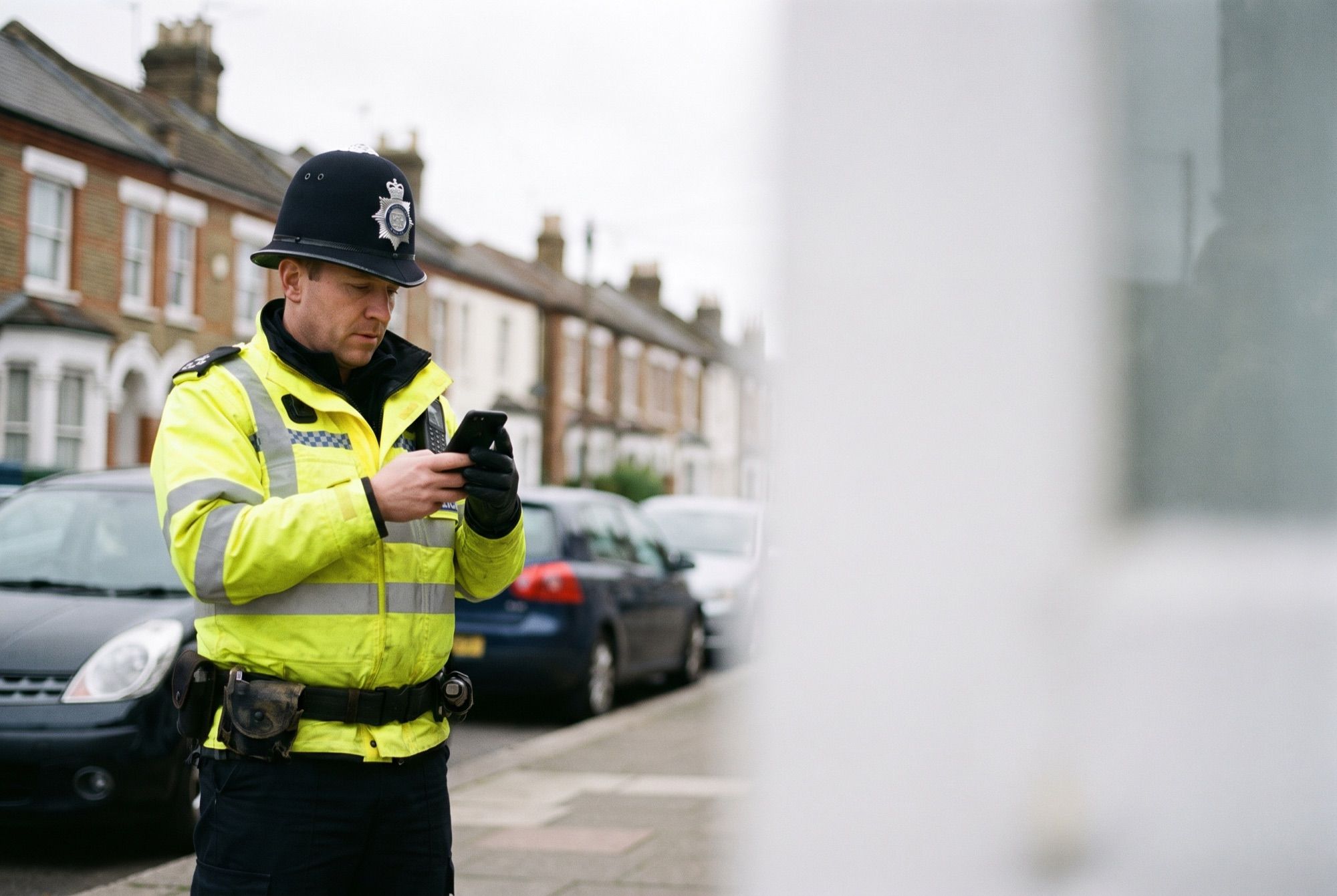
If an officer needed to check a record, log intelligence or update an incident, that usually meant heading back to the station. Every trip back to a desk was time an officer was not in their community. The force wanted to change that: put the information where the work happens, and keep officers visible and available to the public.
This was never a device rollout. It was the job of a frontline officer, rebuilt around the device, one real task at a time.
We were selected through a competitive public tender to design and build PoliceBox, a native mobile app for the enterprise phones and tablets the force was standardising on at the time. We rolled it out to its 3,800 frontline officers, the whole field force.
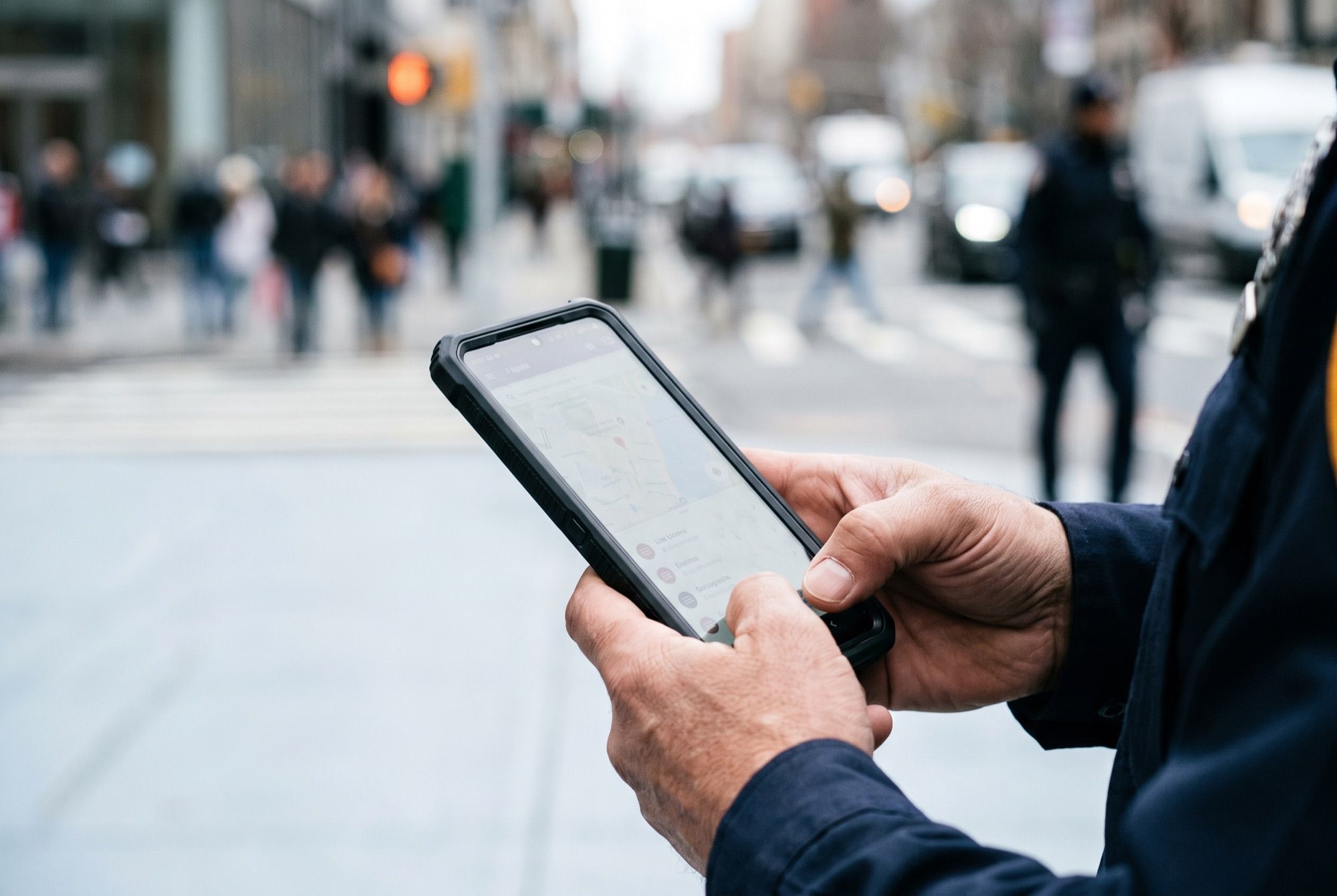
The app put the daily job in an officer’s hand. Get notified the moment you are allocated to an incident, with the number, grade, location, summary and any warnings before you arrive. View, follow and update incidents without calling it in. Run vehicle and record searches in the field with minimal typing, because nobody has time to fill in forms at the roadside. Capture evidence on the spot by taking a photo on the device and attaching it straight to the incident. The design priority throughout was speed and clarity under pressure: uncluttered, native-feeling controls an officer could operate one-handed in a demanding situation, with next to no training.
Built around the officer, and engineered to last
The temptation on a project like this is to ship a device and call it transformation. We did the harder thing: we rebuilt the work around the device. That is why officers actually used it, and why it stood up in one of the most demanding operational environments there is.
Designed around the job, not the system
We drove the whole project from persona-led user stories written in the officer's own words, so design and build stayed anchored to real tasks the whole way through.
Agile, in the open, with real officers
Two-week sprints with a steering group of officers from traffic, firearms and rural teams. Rural connectivity dropouts, for one, only surfaced by sitting with the people who do the job.
Engineered to last
A shared, platform-agnostic core for phone and tablet, a mock API to develop against with no access to the live one, and an automated test suite so issues surfaced fast at every review.
Handed over properly
After our own rigorous QA, we walked the force's developers through the entire codebase so they could support and extend it themselves.
This was a significant project, and a good demonstration of what we do: complex, highly technical work delivered in close collaboration with a client team and users whose requirements leave no room for error. We built something officers relied on out in the real world, and that is still the bar we work to.
PoliceBox rolled out across the whole field force, the frontline feedback was strongly positive, and the force saw early signs of a real return on investment. It became the foundation for the next phase of the work.
The bigger point is what a well-designed mobile tool does to the shape of an officer’s day. Time that used to go on trips back to the desk and on queuing for information over the radio goes back into being out on the ground where the public are. The independent national picture from the same era makes the harder truth clear too: most forces bought mobile devices, but only about one in five genuinely redesigned their processes around them (National Audit Office, 2012). That is exactly the gap PoliceBox was built to close.
PoliceBox is a period piece in its technology, but not in what it proves. We built it fourteen years ago, before mobile was standard kit on the beat, because we understood the officer’s day before we designed for it. Take unnecessary complexity out of the moment a person meets software and you give people their time back for the work that matters. That instinct for where the work is heading is the same one we now point at AI.