Understandingthe challenge
Industry
- Construction
- Built environment
- Sustainability
Platform
- Mobile
- Web
Services
- Discovery
- UX design
- Mobile development
- Web development
- Data and IoT integration
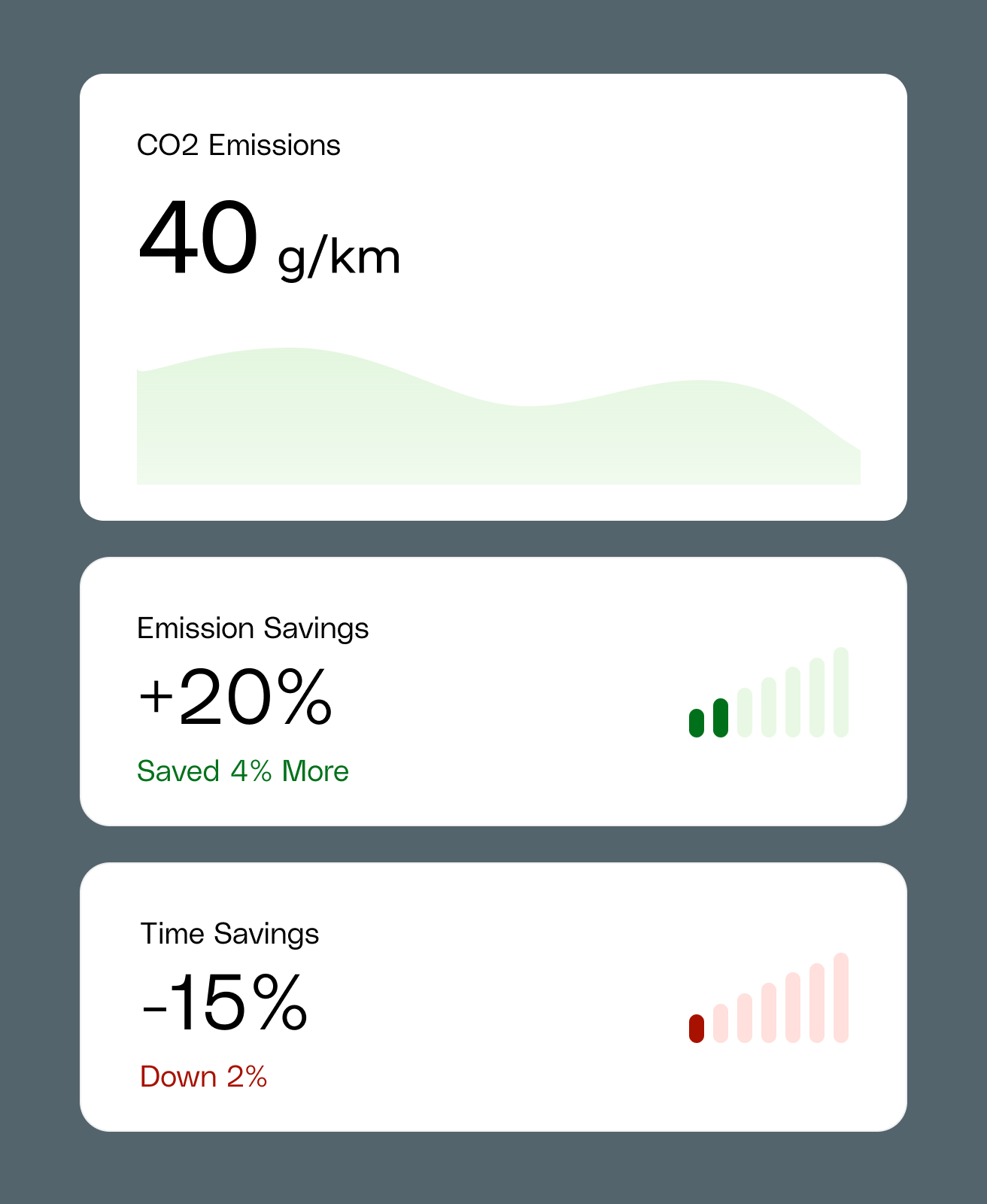
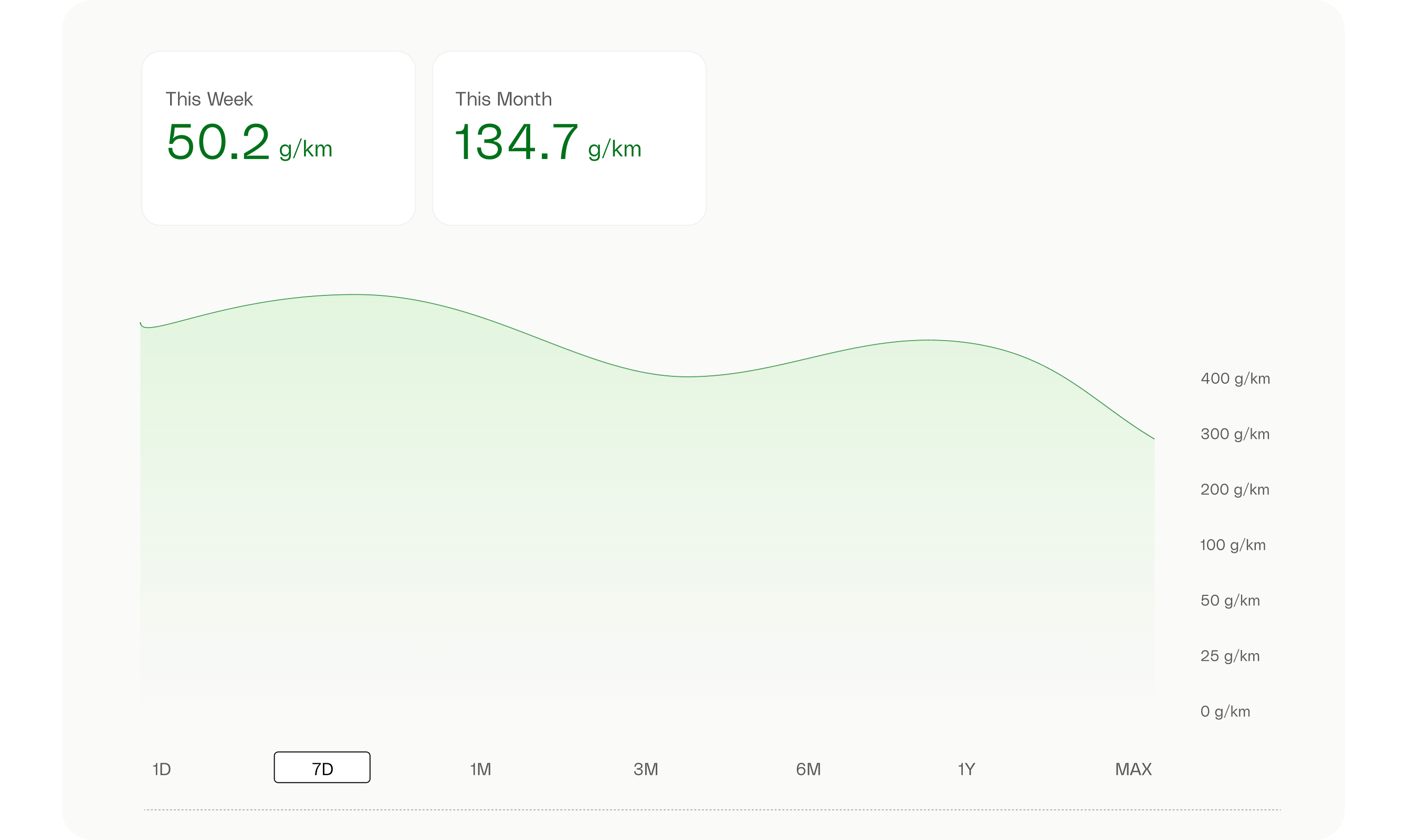
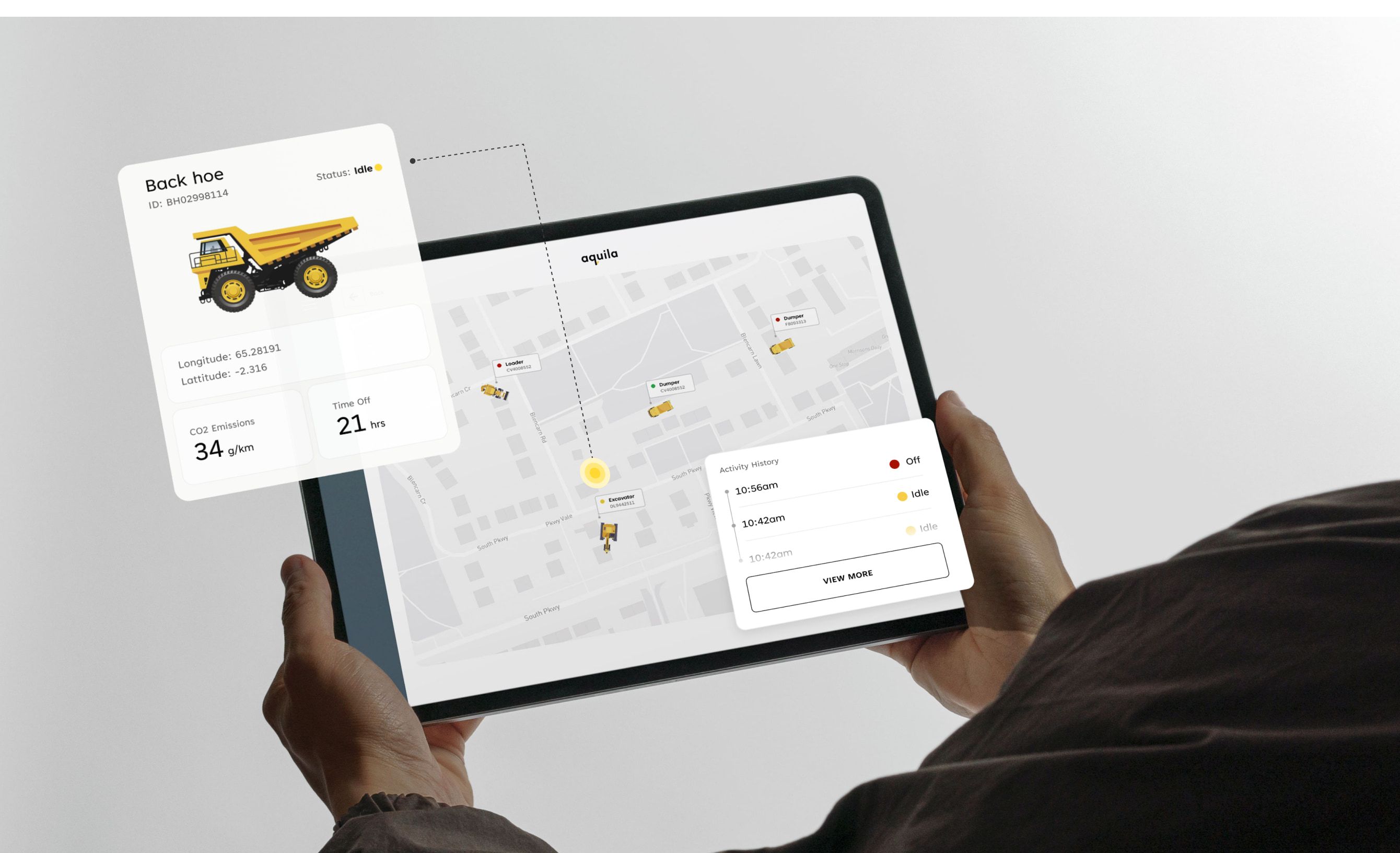
A construction consortium had a strong idea. Track plant and machinery across live sites, so everyone could see how it was being used and what it was costing in fuel, time and carbon. The prize was real: less idle plant, lower emissions, better decisions.
But there was a hard question underneath it. Could you actually capture reliable data off a working construction site, process it, and turn it into something people would use, before anyone committed a full build budget? That is the question a proof of concept exists to answer, and it is the one we were brought in to settle.
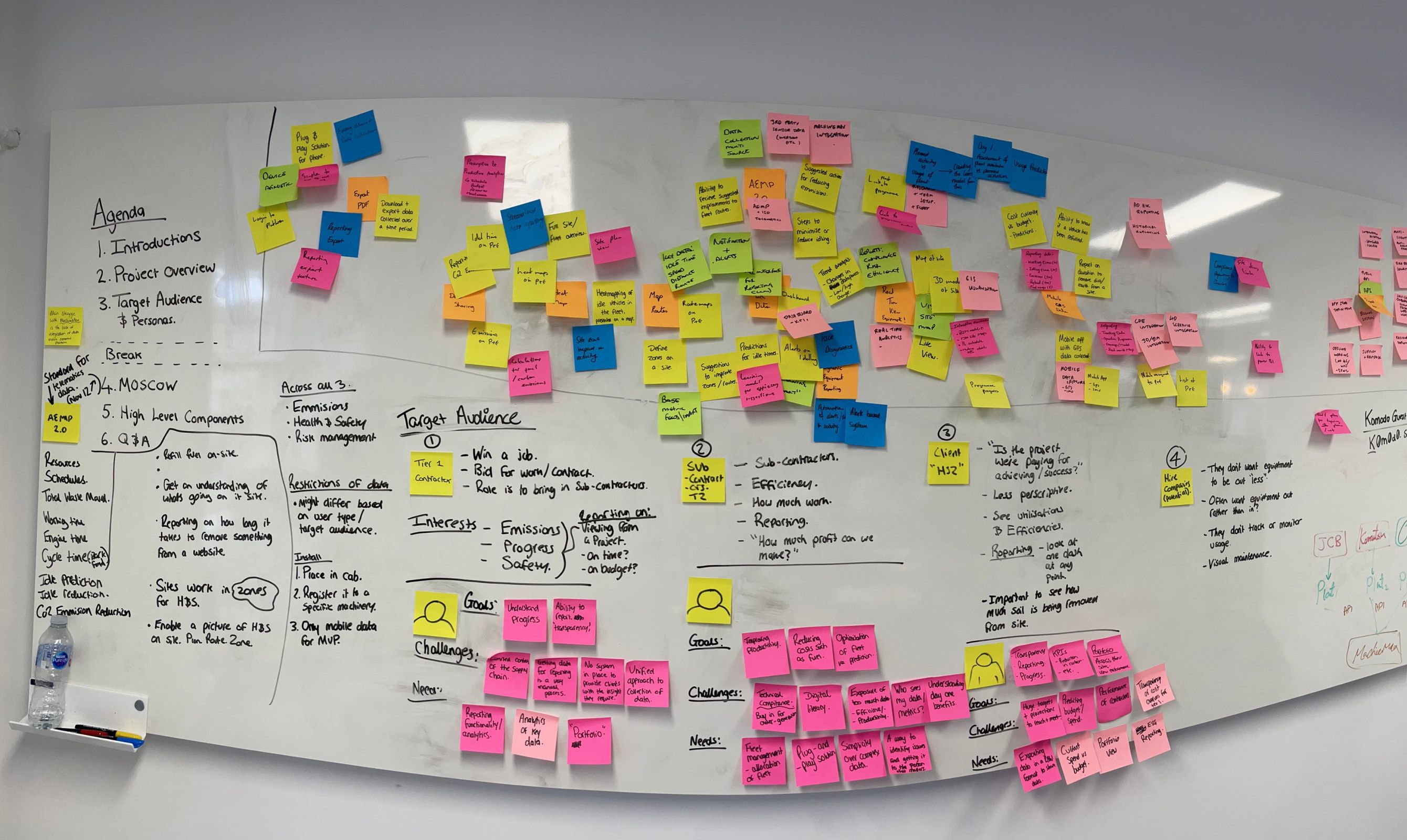
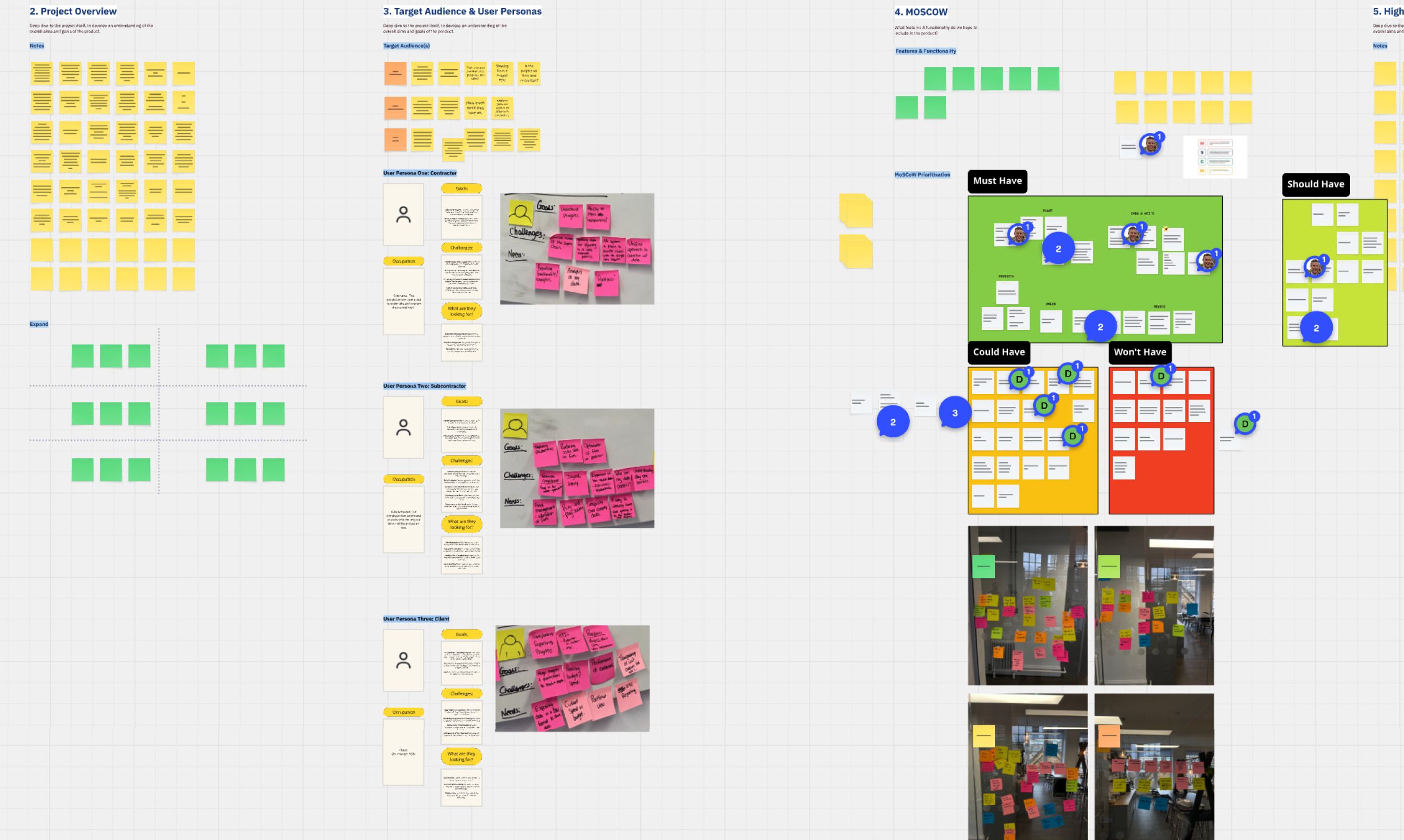
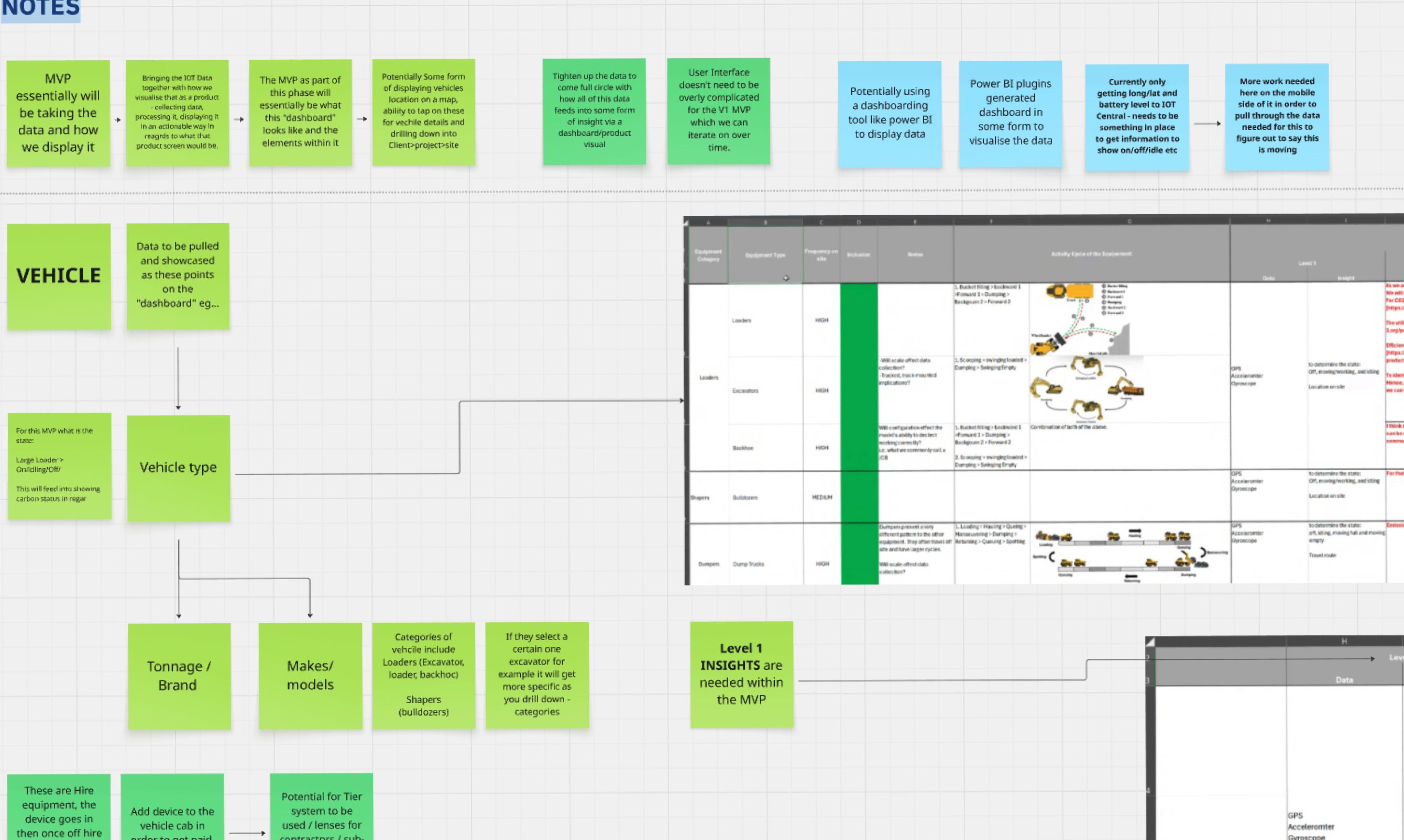
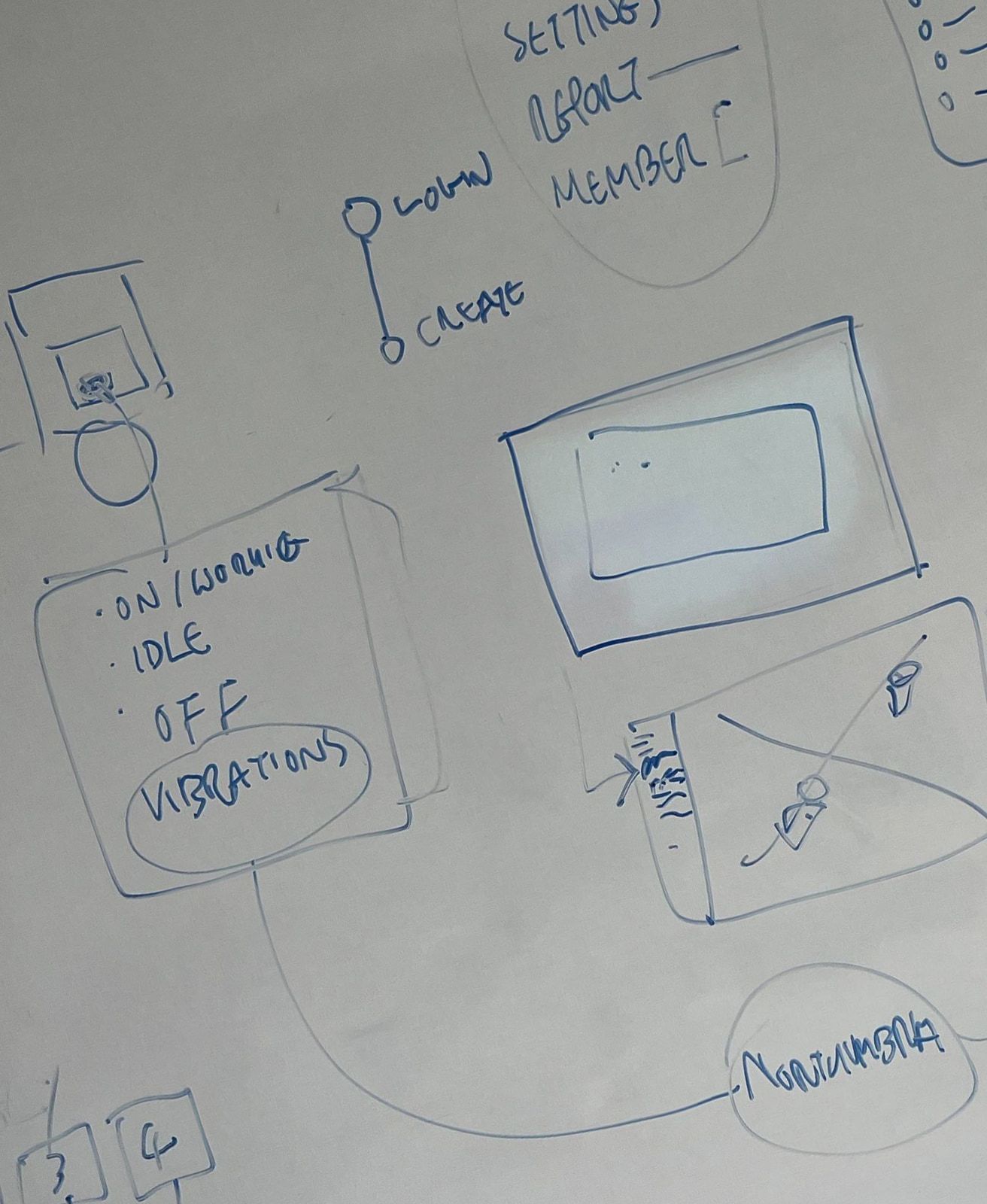
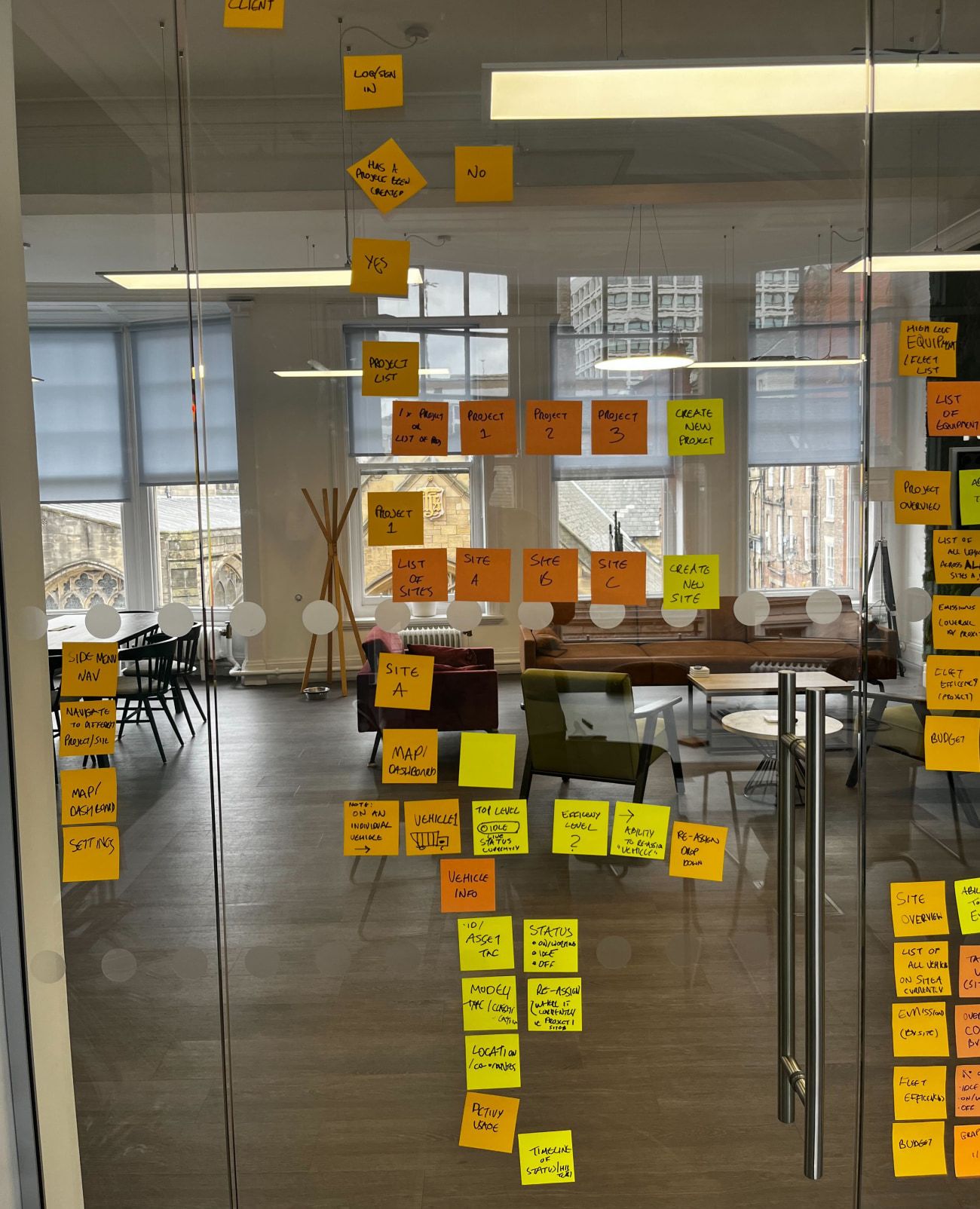
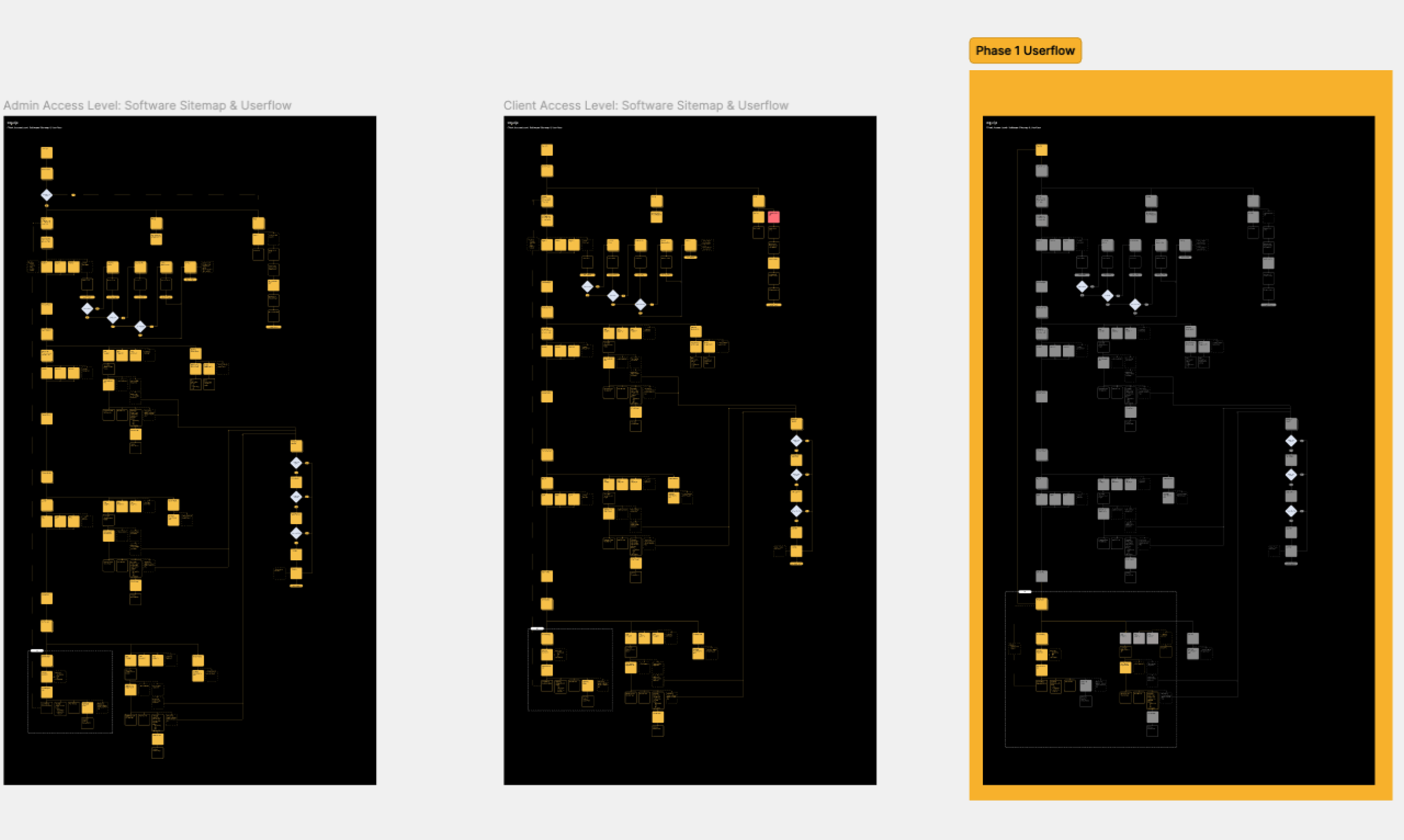
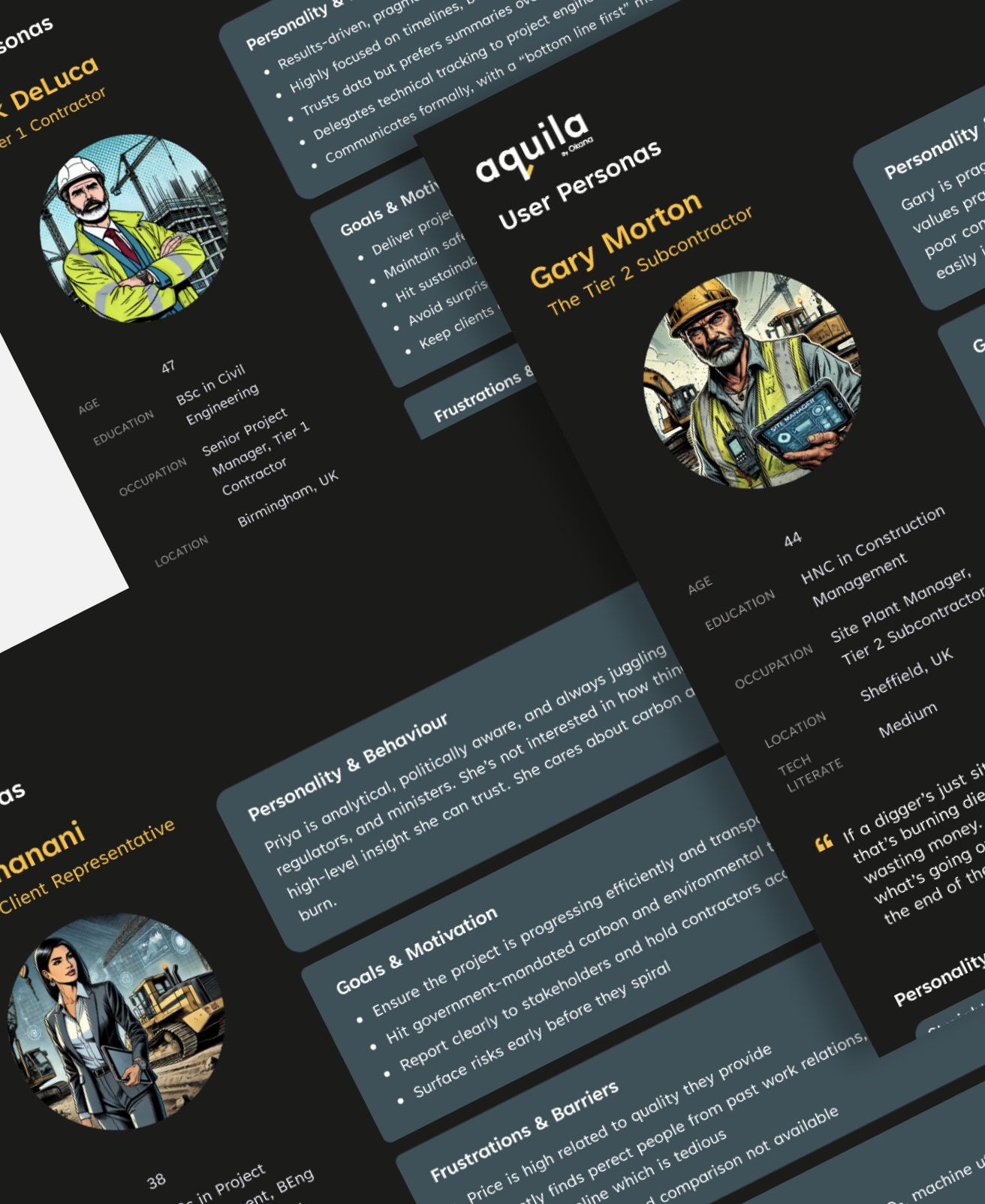
We started with the people who would use it and the way the data needed to move, then built the proof of concept end to end as the consortium’s build partner.
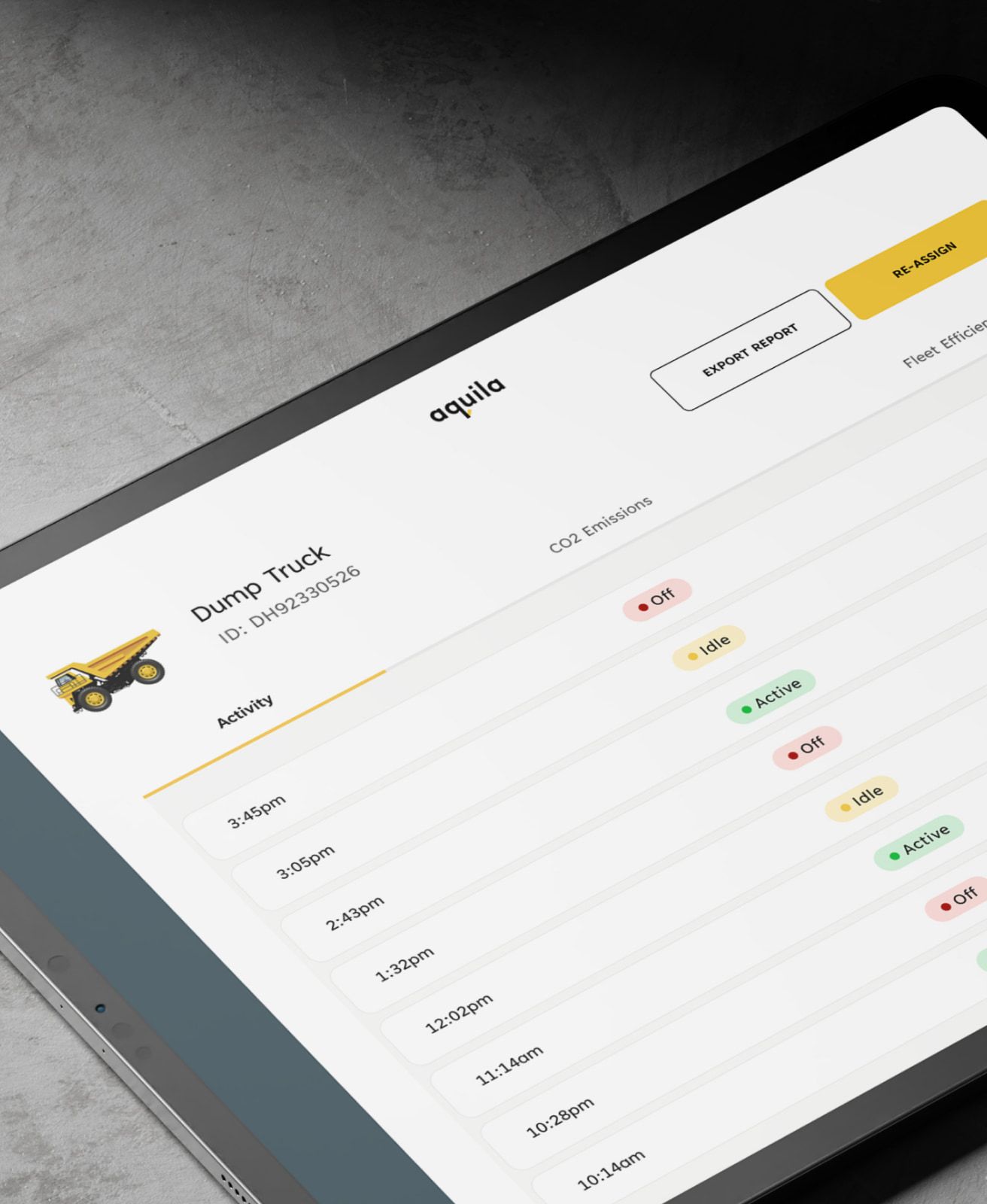
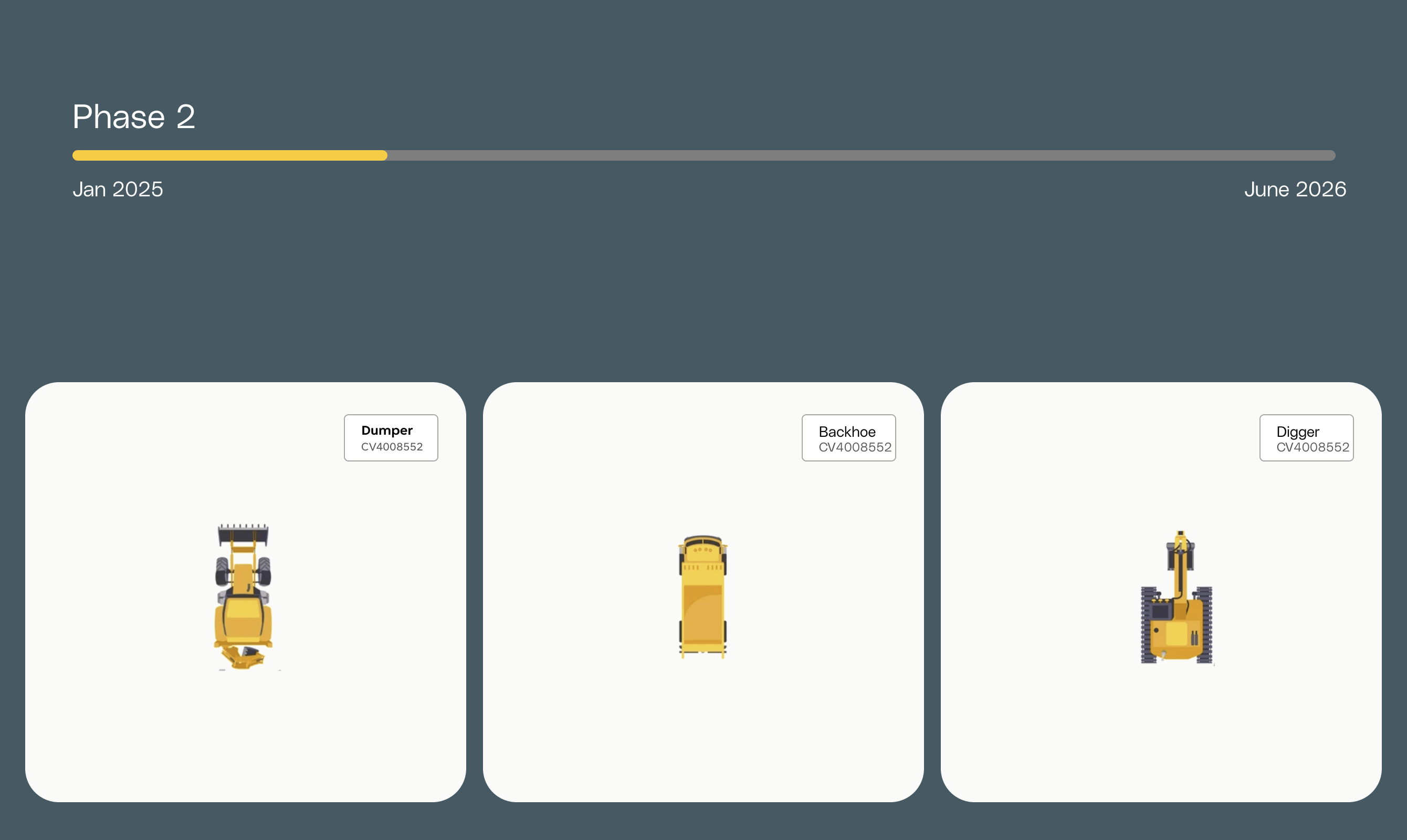
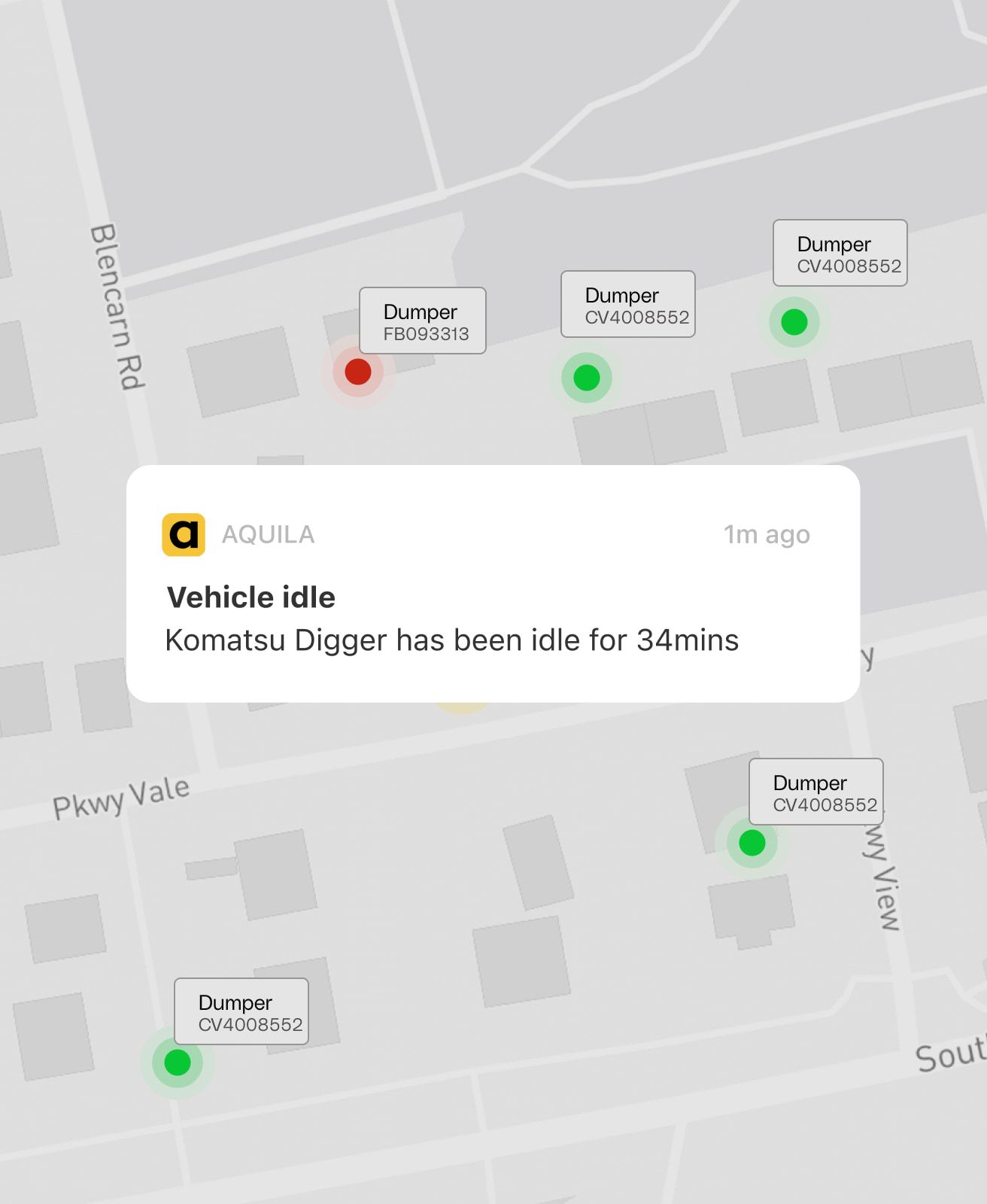
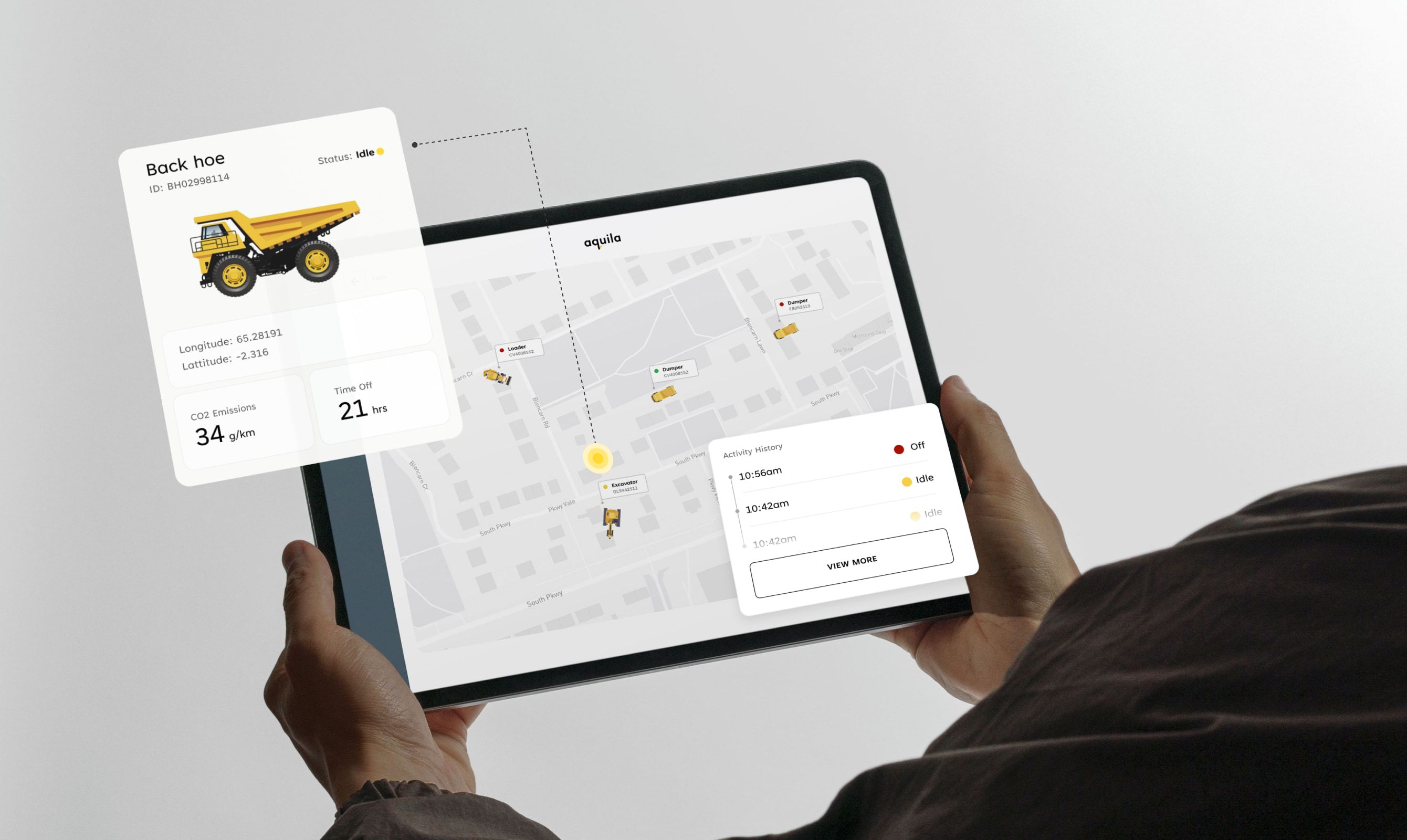
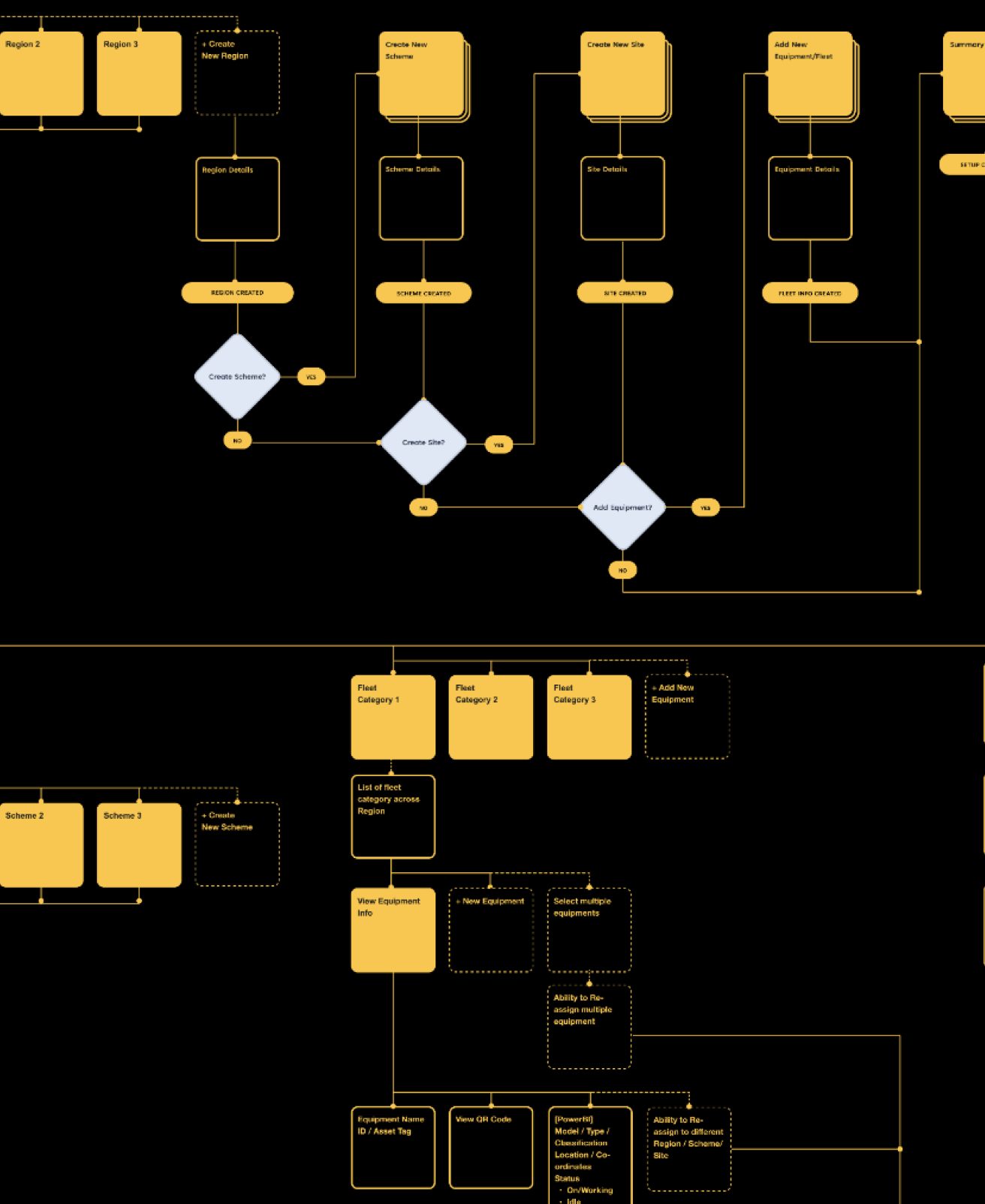
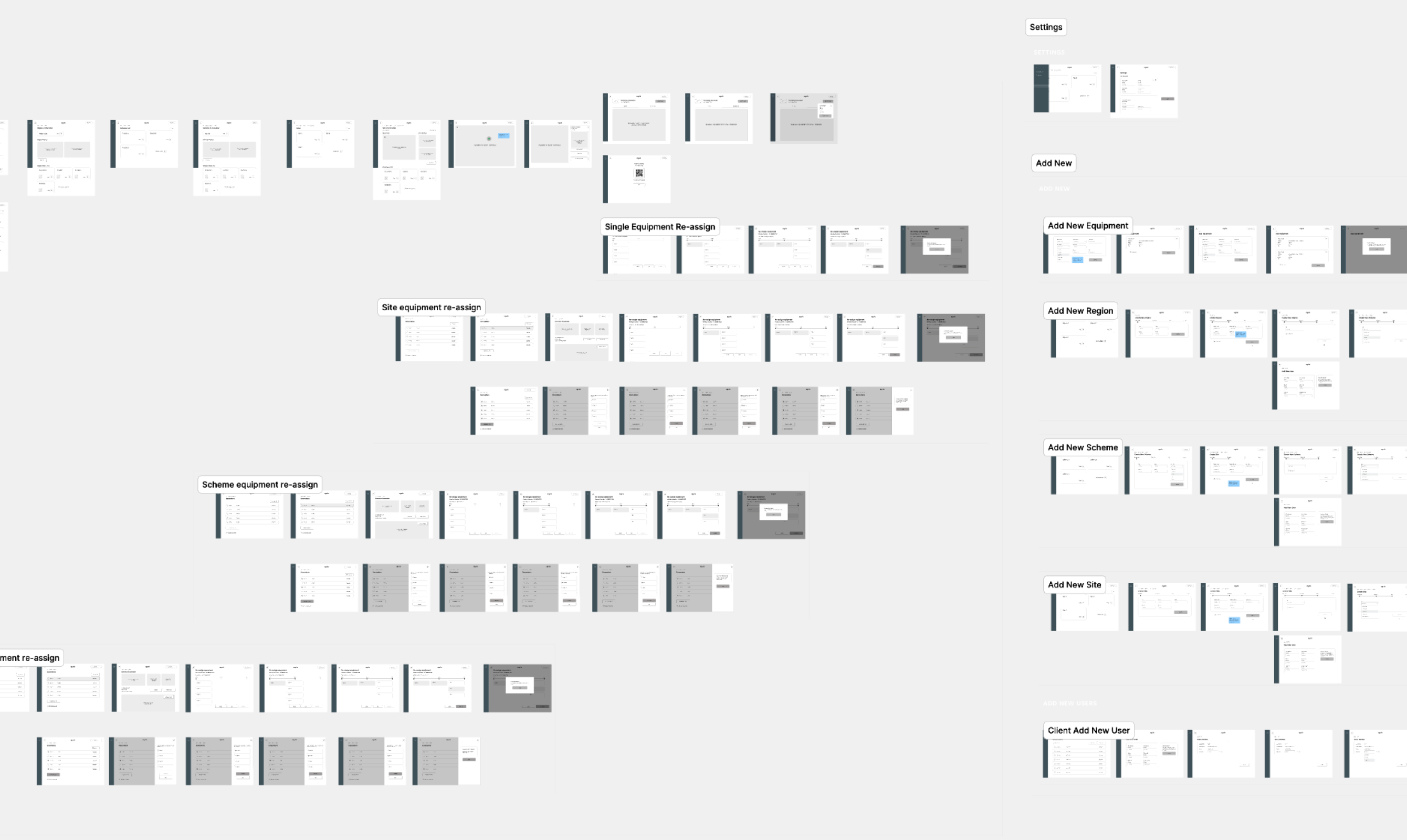
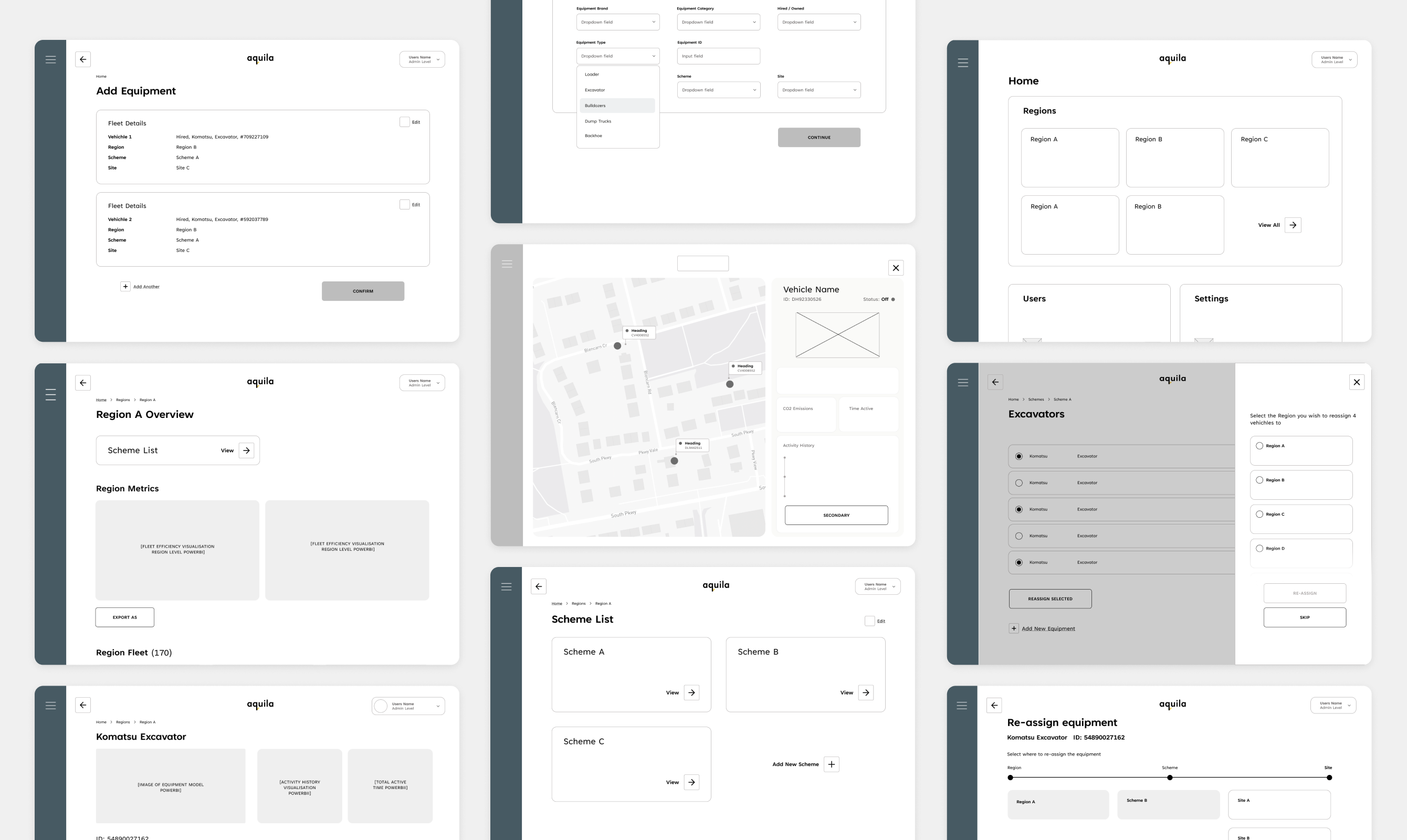
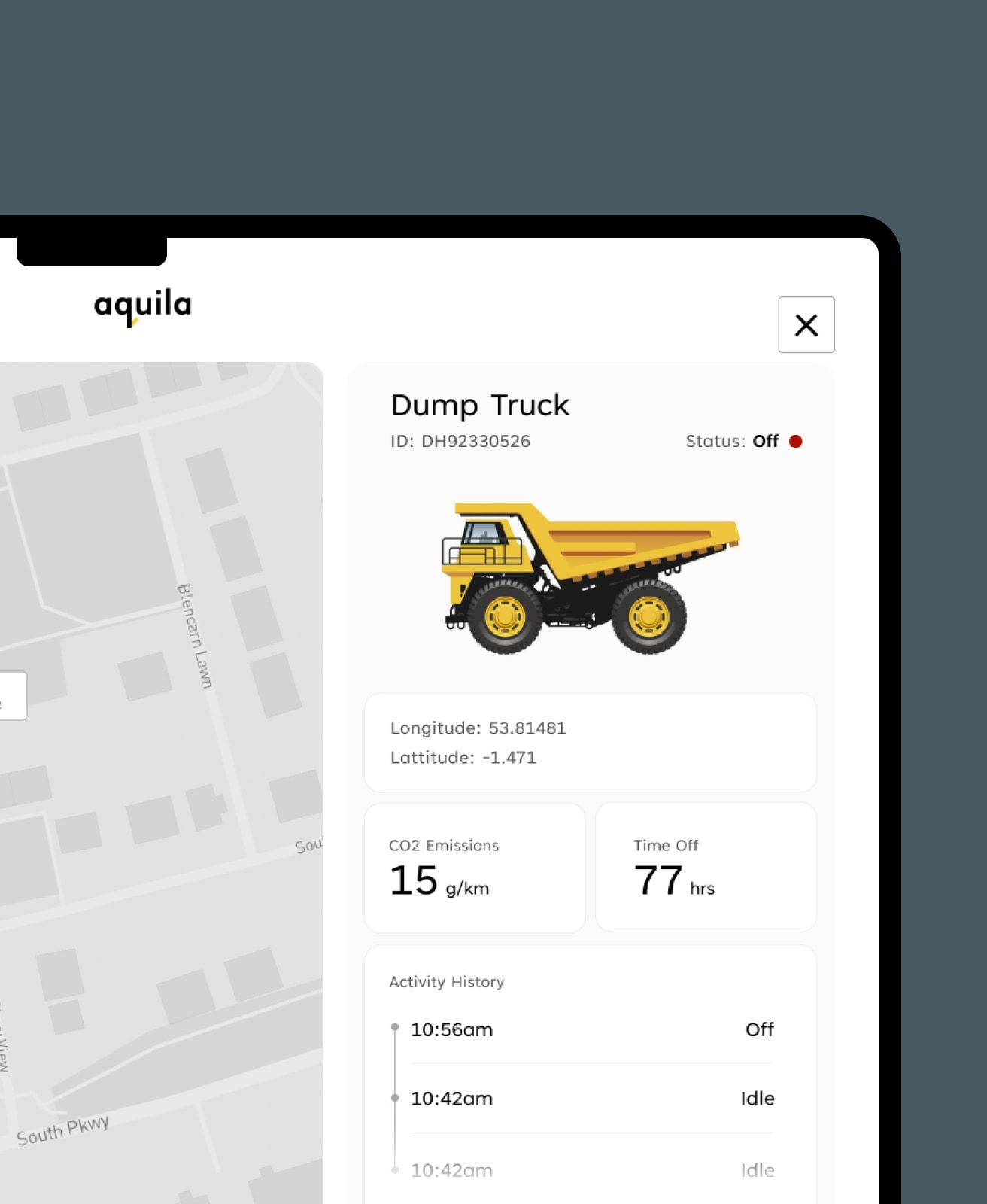
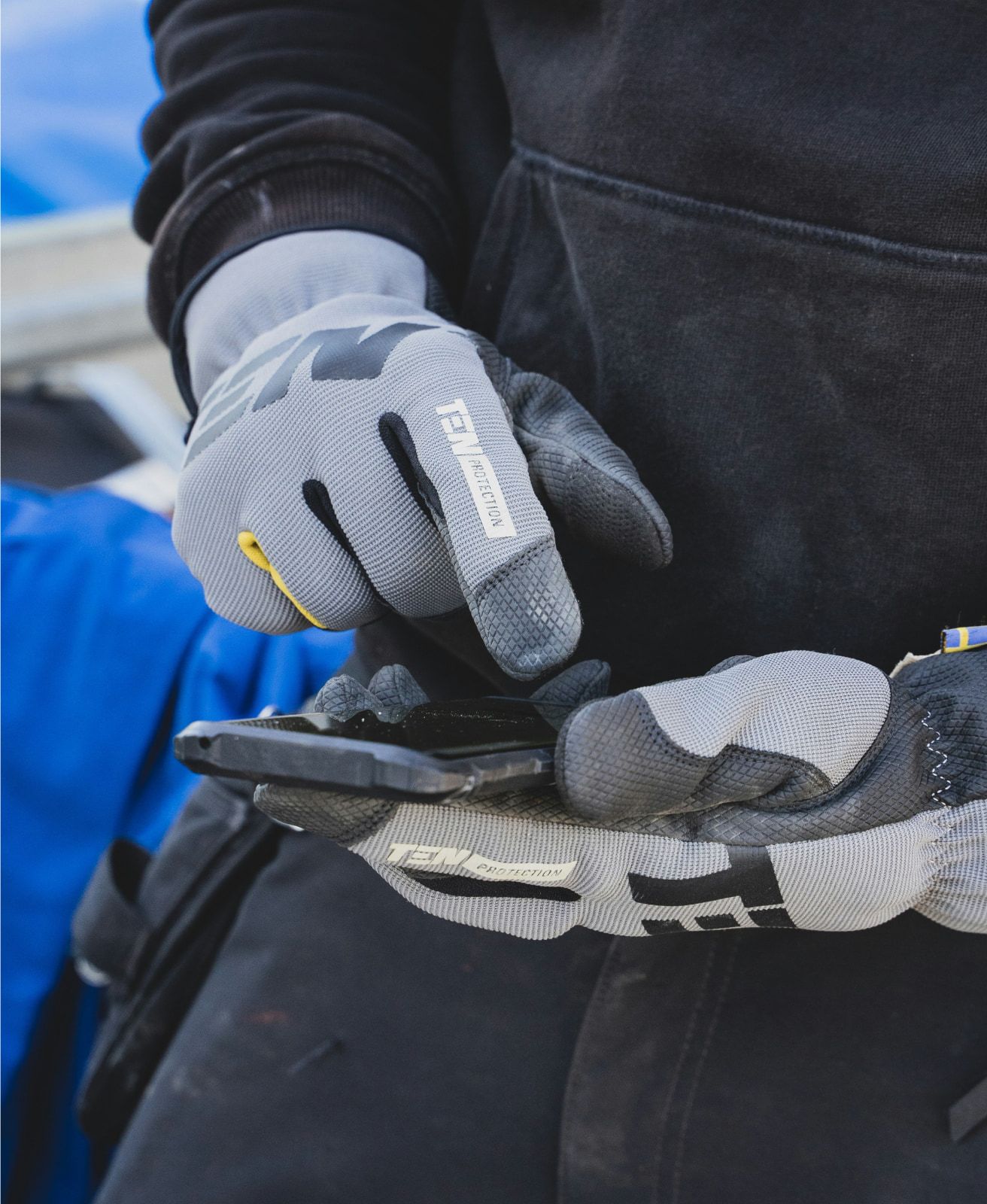
A mobile app captured telemetry on site and let crews register plant with a QR code. A pipeline behind it took those readings in. And a web interface put it all in an order the industry already thinks in: project, then site, then equipment, with the plant assigned to each. Nothing more than the concept needed, and enough to prove it properly.
The smart thing was to prove the difficult part first. Could you get reliable data off a working construction site, make sense of it, and show it back in a way people would use? We built enough to answer that, and it held up.
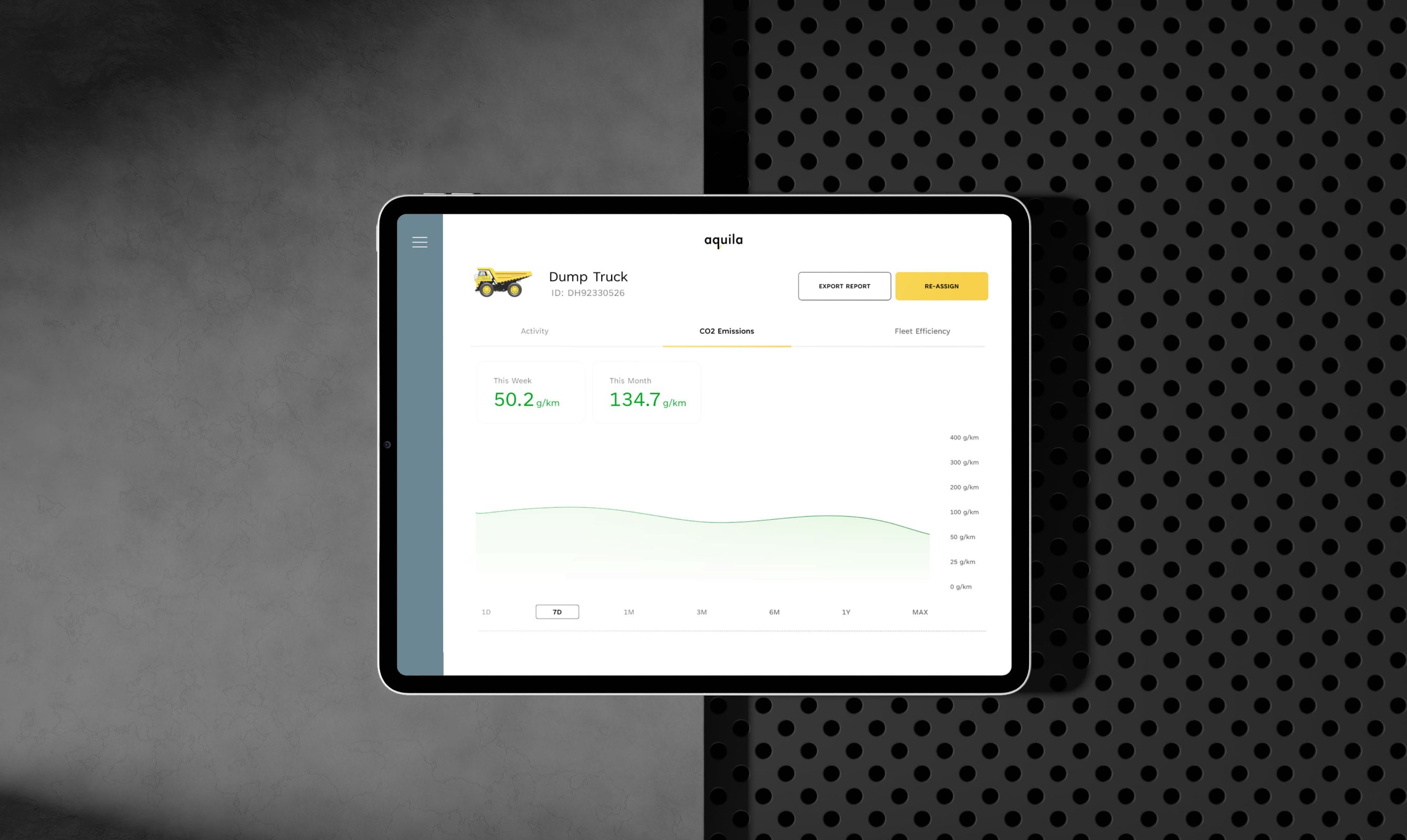
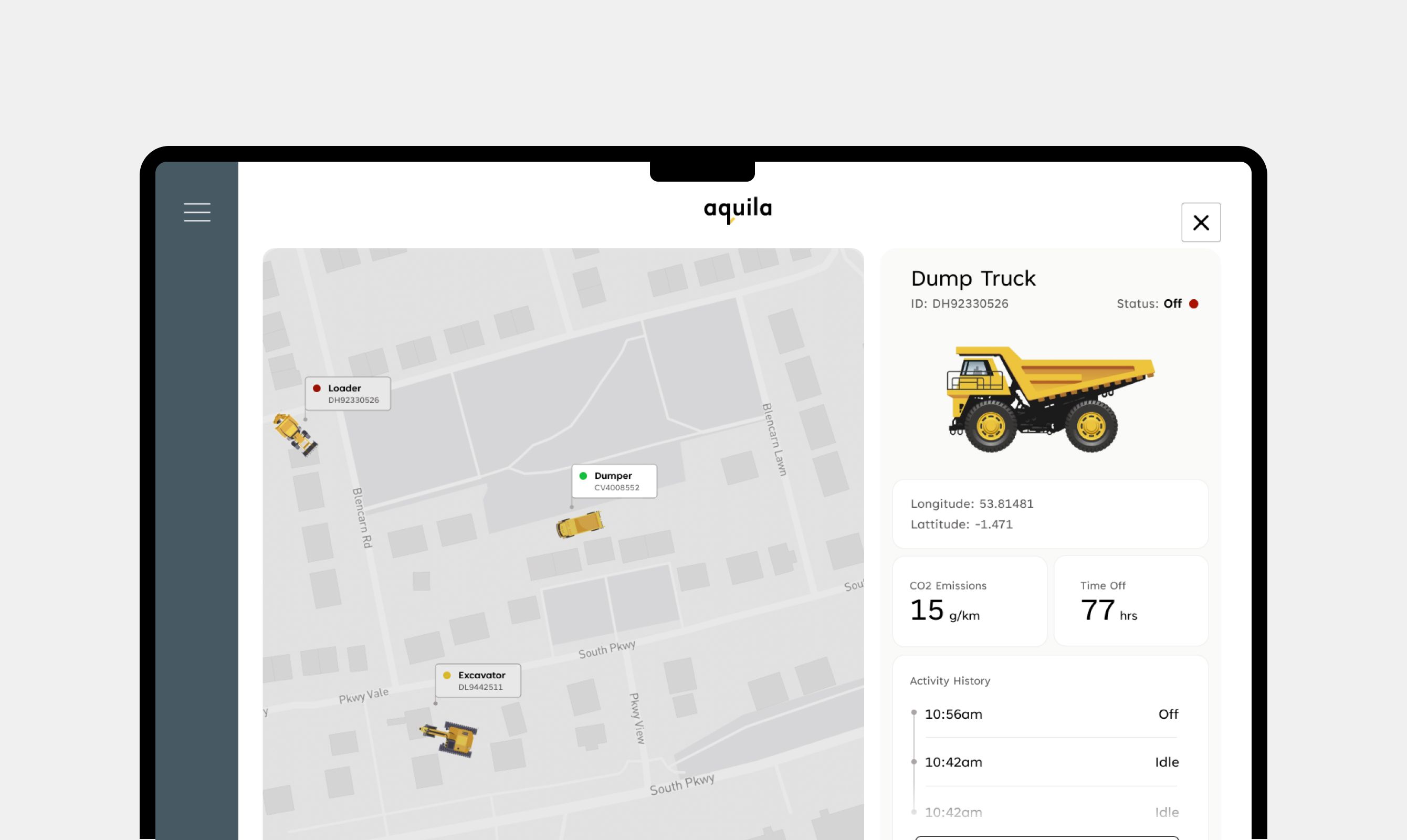
What the proof of concept proved
The proof of concept did its job. We proved the pipeline end to end and stood up a working interface, so the consortium came out of it knowing the concept held before real money went on a full build. Answering the risky question cheaply, first, is where the value was.
Prove it first
Test the hard technical assumption before committing a full build budget, the whole point of a proof of concept.
End to end
Capture data on a live site, process it, and move it into a structure people can use.
Built on how the work works
A web interface modelled on the way the industry already thinks: project, site, equipment.